

One way to Romania and Moldova
A cross-border sleeper journey to Bucharest and Chişinău, exploring Soviet architecture, markets and leafy capital streets.
Powered by two million miles of expertise
Journal
Our price includes all transport, accommodation and a personalized itinerary for your trip. Byway's travel experts are also available on WhatsApp throughout for disruption support and travel tips.
No, flights to Europe aren't included, but all transport and accommodation once you're here is. Short-haul flights are highly carbon-intensive, and traveling around Europe by train, ferry or bus is an easy, enjoyable alternative.
Yes. Different hotel options are available to choose from on the trip page, and any room upgrade requests can be added in the booking form. Our team will then find upgrade options and discuss them with you.
No. If you'd like to leave Europe from a different city, our concierge team can build you a custom one-way trip.
Yes. Prices on our trip pages are shown in your local currency by default, or you can select your preferred currency, including USD, CAD, EUR or CHF, from the dropdown in the top right corner of the trip page. The payment page will always show the price in your chosen currency.
You can generally bring as much luggage as you can carry, as long as it fits in the luggage racks or overhead space. On Eurostar, UK and most European trains, the standard allowance is two large bags and one smaller item, provided you can manage them yourself; let us know in advance if you're planning to bring anything oversized. Since you may need to change stations or walk to hotels, packing light makes the journey more comfortable.
Most European train tickets are digital and sent to you by email. A few, including tickets for Spain, Portugal and some EuroCity trains, require paper tickets, which can be mailed to a hotel on your itinerary.
No, Byway trips are self-guided, not part of a group tour. You'll have on-demand personalized support by WhatsApp, text or phone throughout, so all the planning and booking is done for you, and any disruptions are handled without you having to worry about them.
May to September is the best time to visit Romania, with the warmest weather for exploring Transylvania and the cities. May, June and September offer a quieter, more affordable alternative to the July and August peak. Winters are cold, with ski resorts including Poiana Brașov and Sinaia drawing visitors from December. There are highlights year-round: the Sighișoara Medieval Festival transforms Europe's last inhabited citadel with jousting knights and troubadours every July, and Maramureș's painted wooden churches and monasteries draw visitors throughout the warmer months to see centuries-old frescoes and folk architecture.
The best things to do in Romania include exploring Bran Castle, wandering the medieval towns of Sighișoara and Sibiu, and exploring Bucharest.
Exploring Bran Castle, popularly linked to the Dracula legend
Wandering Sighișoara's UNESCO-listed medieval old town, one of Europe's few inhabited citadels
Touring Sibiu's Saxon old town and fortified churches
Visiting Bucharest's Old Town and the Palace of the Parliament
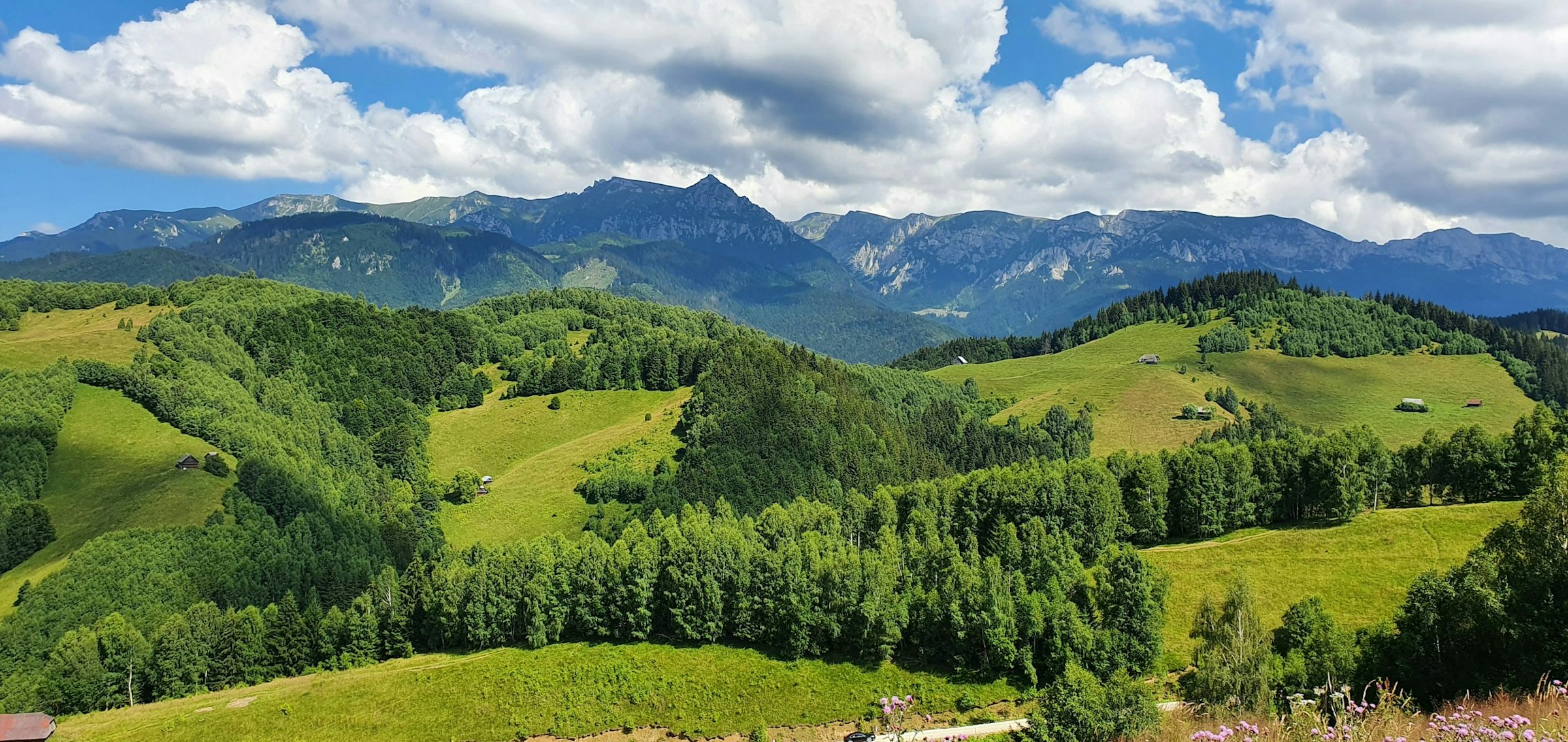
Hiking or skiing in the Carpathian Mountains, around Brașov and Poiana Brașov
Wildlife watching in the Danube Delta, a UNESCO World Heritage Site
Discovering Maramureș's UNESCO-listed wooden churches, and the colourful, humorous headstones of Săpânța's Merry Cemetery
Marvelling at Bucovina's painted monasteries, decorated with vivid 15th and 16th-century frescoes both inside and out
Romania is reachable from London via a change of trains in Brussels or Paris, connecting onward through Munich or Vienna to an overnight sleeper train into Transylvania, stopping at towns including Brașov and Sighișoara before reaching Bucharest. Within Romania, an extensive rail network connects towns and cities across the country, including the popular Bucharest to Brașov train, which runs several times daily and takes around 2 to 3 hours through the Carpathian foothills.
Learn how to book and enjoy an overland trip yourself in 10 clear steps (or book with us, and we’ll handle the lot).


