

French voyageur
Travel through France’s regions, exploring cathedral cities, château towns, and historic centers linked by classic rail routes.
Powered by two million miles of expertise
Spring highlight
Journal
The best time to visit France is May to June or September to October, when the weather is mild and popular cities and coastal regions are quieter than the summer peak. July and August are the busiest months, particularly along the Riviera. There are highlights year-round: Provence's lavender fields bloom into festivals across towns like Valensole from late June to early August, autumn brings the grape harvest to Bordeaux and Burgundy's vineyards, and winter draws for Christmas markets in cities like Strasbourg, as well as skiing in the French Alps.
The best things to do in France include exploring Paris's museums and neighbourhoods, touring vineyards in Bordeaux and Burgundy, and relaxing on the French Riviera.
Discovering Paris, from the Louvre and Musée d'Orsay to neighbourhoods like Montmartre
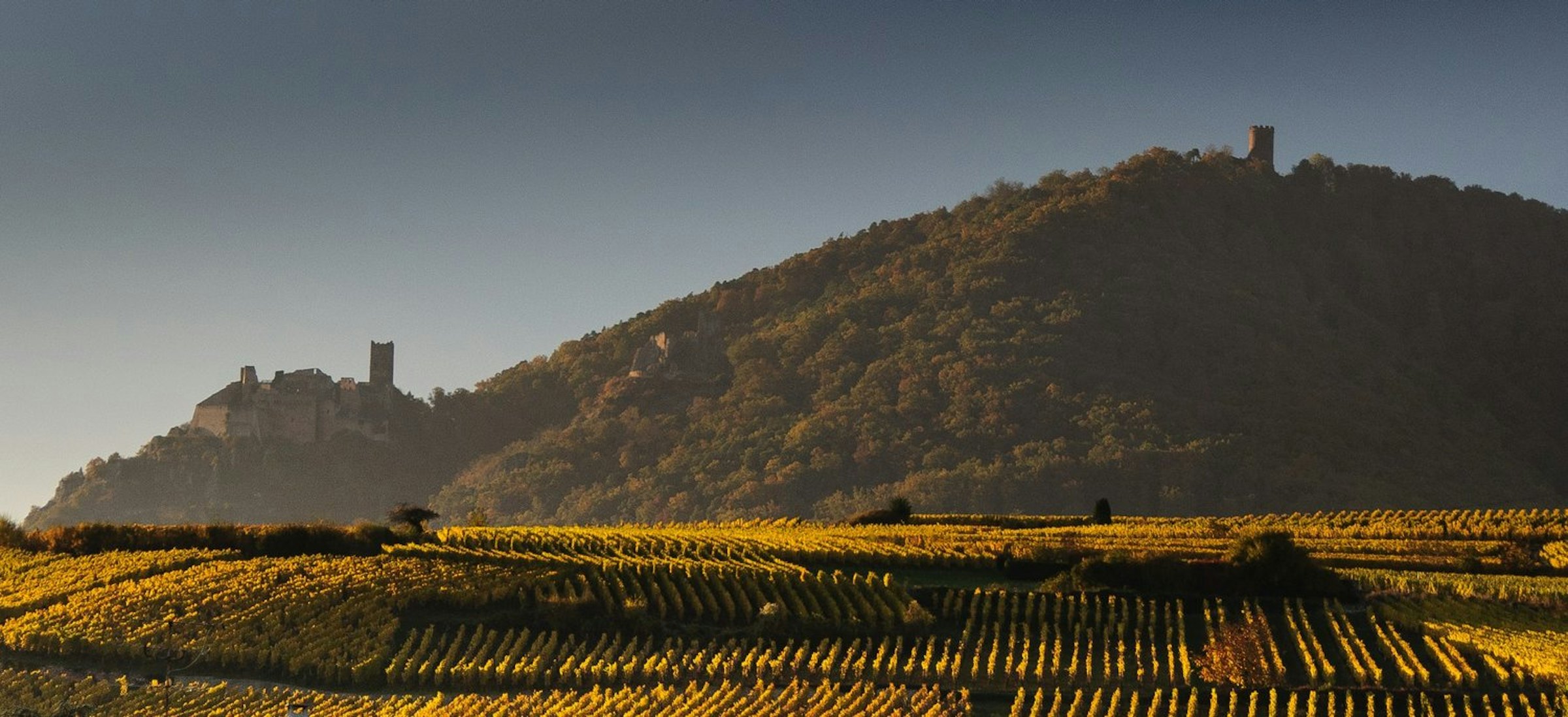
Touring vineyards and wine regions in Bordeaux, Burgundy and Champagne
Relaxing along the French Riviera, taking in Nice's Old Town markets, Cannes' beaches, and the turquoise calanques between Marseille and Cassis
Hiking or skiing in the French Alps, around resorts like Chamonix, and riding the Aiguille du Midi cable car for views over Mont Blanc
Travelling by overnight ferry to Corsica, for the scenic mountain railway between Bastia and Ajaccio, beaches, hill towns, and the long-distance GR20 trail
Cycling through the château towns and countryside of the Loire Valley along the Loire à Vélo cycle route
Exploring Provence's lavender fields, hilltop villages, and markets selling olive oil, honey and herbes de Provence
Sampling apple cider and oysters along Normandy and Brittany's coastlines
Learning about the WWI and WWII battlefields and memorials of Hauts-de-France, including the Somme and D-Day beaches
Exploring French Basque Country, from Biarritz's surf beaches to the hilltop villages of the Pyrenees foothills
Wildlife spotting among the wetlands and wild horses of the Camargue
Eating your way through Lyon, France's gastronomic capital, and exploring its hidden traboules passageways
Wandering Alsace's half-timbered towns, including Strasbourg and Colmar, along the Route des Vins d'Alsace
Trekking the volcanic landscapes of the Massif Central, around the Chaîne des Puys
Canoeing the Dordogne River past clifftop castles and medieval villages
France is reachable via Eurostar direct from London St Pancras to Paris and Lille, with connections onward across France by TGV high-speed rail and regional TER trains. From the rest of Europe, high-speed rail links Paris with cities including Brussels, Amsterdam, Cologne, Barcelona and Milan. Overnight ferries also connect the French mainland with Corsica, sailing from ports including Marseille, Nice and Toulon.
Our price includes all transport, accommodation and a personalized itinerary for your trip. Byway's travel experts are also available on WhatsApp throughout for disruption support and travel tips.
No, flights to Europe aren't included, but all transport and accommodation once you're here is. Short-haul flights are highly carbon-intensive, and traveling around Europe by train, ferry or bus is an easy, enjoyable alternative.
Yes. Different hotel options are available to choose from on the trip page, and any room upgrade requests can be added in the booking form. Our team will then find upgrade options and discuss them with you.
No. If you'd like to leave Europe from a different city, our concierge team can build you a custom one-way trip.
Yes. Prices on our trip pages are shown in your local currency by default, or you can select your preferred currency, including USD, CAD, EUR or CHF, from the dropdown in the top right corner of the trip page. The payment page will always show the price in your chosen currency.
You can generally bring as much luggage as you can carry, as long as it fits in the luggage racks or overhead space. On Eurostar, UK and most European trains, the standard allowance is two large bags and one smaller item, provided you can manage them yourself; let us know in advance if you're planning to bring anything oversized. Since you may need to change stations or walk to hotels, packing light makes the journey more comfortable.
Most European train tickets are digital and sent to you by email. A few, including tickets for Spain, Portugal and some EuroCity trains, require paper tickets, which can be mailed to a hotel on your itinerary.
No, Byway trips are self-guided, not part of a group tour. You'll have on-demand personalized support by WhatsApp, text or phone throughout, so all the planning and booking is done for you, and any disruptions are handled without you having to worry about them.
Learn how to book and enjoy an overland trip yourself in 10 clear steps (or book with us, and we’ll handle the lot).


