

Spain and Morocco by sea
Experience travel by sea and rail, starting with an overnight sailing from England to Spain’s north coast, then heading south to Morocco.
Powered by two million miles of expertise
March to May or September to November is the best time to visit Morocco, with warm, comfortable weather across the country. Summers are very hot inland, particularly in Marrakech and Fez, though the Atlantic coast stays milder. Winters are mild on the coast, with snow in the Atlas Mountains. There are highlights year-round: the Rose Festival in El Kelaâ M'Gouna sees streets carpeted in petals every May, the Gnaoua World Music Festival brings trance-like rhythms to the coastal town of Essaouira every June, and the Marrakech International Film Festival draws stars to the city every December.
The best things to do in Morocco include exploring Marrakech's souks and squares, wandering Fez's medina, and relaxing in the coastal town of Essaouira.
Exploring Marrakech's Jemaa el-Fnaa square and souks
Wandering Fez's medina, one of the world's largest car-free urban areas
Relaxing in the coastal town of Essaouira, known for its fishing port and beaches
Wandering Chefchaouen's blue-washed old town in the Rif Mountains
Touring Rabat's Kasbah of the Udayas and medina
Visiting Casablanca's Hassan II Mosque
Trekking into the Sahara from desert towns like Merzouga, sleeping in a Berber camp beneath the dunes
Hiking through the Dades Valley's rose fields near El Kelaâ M'Gouna, in bloom each May
Morocco is reachable by ferry from Spain, France and Italy, with the most popular and fastest crossing running from Tarifa to Tangier in around an hour. Within Morocco, the high-speed Al Boraq train connects Tangier, Rabat and Casablanca, with further train services reaching Fez and Marrakech. Buses cover routes not served by rail, including to Chefchaouen and Essaouira.
Our price includes all transport, accommodation and a personalized itinerary for your trip. Byway's travel experts are also available on WhatsApp throughout for disruption support and travel tips.
No, flights to Europe aren't included, but all transport and accommodation once you're here is. Short-haul flights are highly carbon-intensive, and traveling around Europe by train, ferry or bus is an easy, enjoyable alternative.
Yes. Different hotel options are available to choose from on the trip page, and any room upgrade requests can be added in the booking form. Our team will then find upgrade options and discuss them with you.
No. If you'd like to leave Europe from a different city, our concierge team can build you a custom one-way trip.
Yes. Prices on our trip pages are shown in your local currency by default, or you can select your preferred currency, including USD, CAD, EUR or CHF, from the dropdown in the top right corner of the trip page. The payment page will always show the price in your chosen currency.
You can generally bring as much luggage as you can carry, as long as it fits in the luggage racks or overhead space. On Eurostar, UK and most European trains, the standard allowance is two large bags and one smaller item, provided you can manage them yourself; let us know in advance if you're planning to bring anything oversized. Since you may need to change stations or walk to hotels, packing light makes the journey more comfortable.
Most European train tickets are digital and sent to you by email. A few, including tickets for Spain, Portugal and some EuroCity trains, require paper tickets, which can be mailed to a hotel on your itinerary.
No, Byway trips are self-guided, not part of a group tour. You'll have on-demand personalized support by WhatsApp, text or phone throughout, so all the planning and booking is done for you, and any disruptions are handled without you having to worry about them.
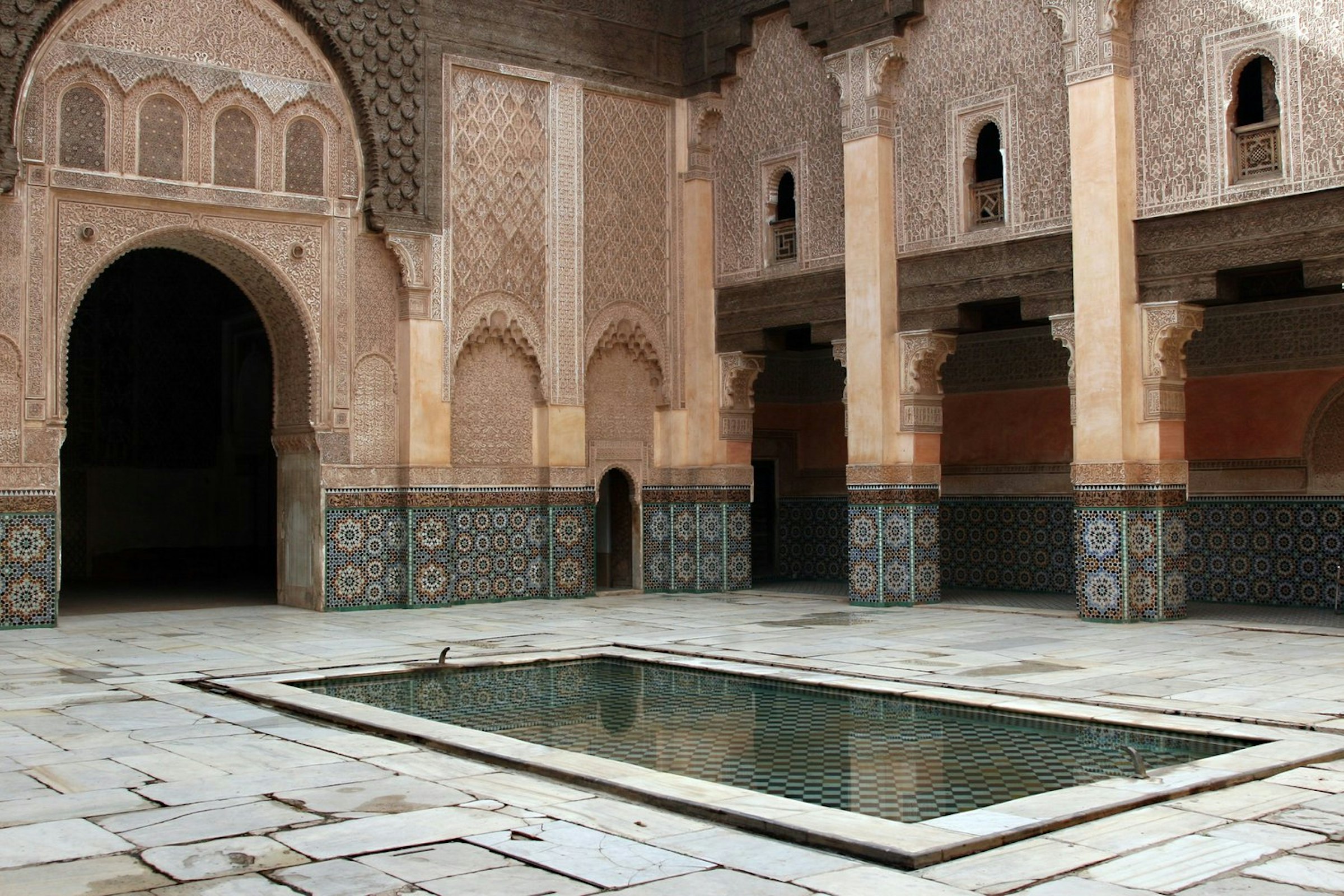
Marrakesh
Learn how to book and enjoy an overland trip yourself in 10 clear steps (or book with us, and we’ll handle the lot).


