
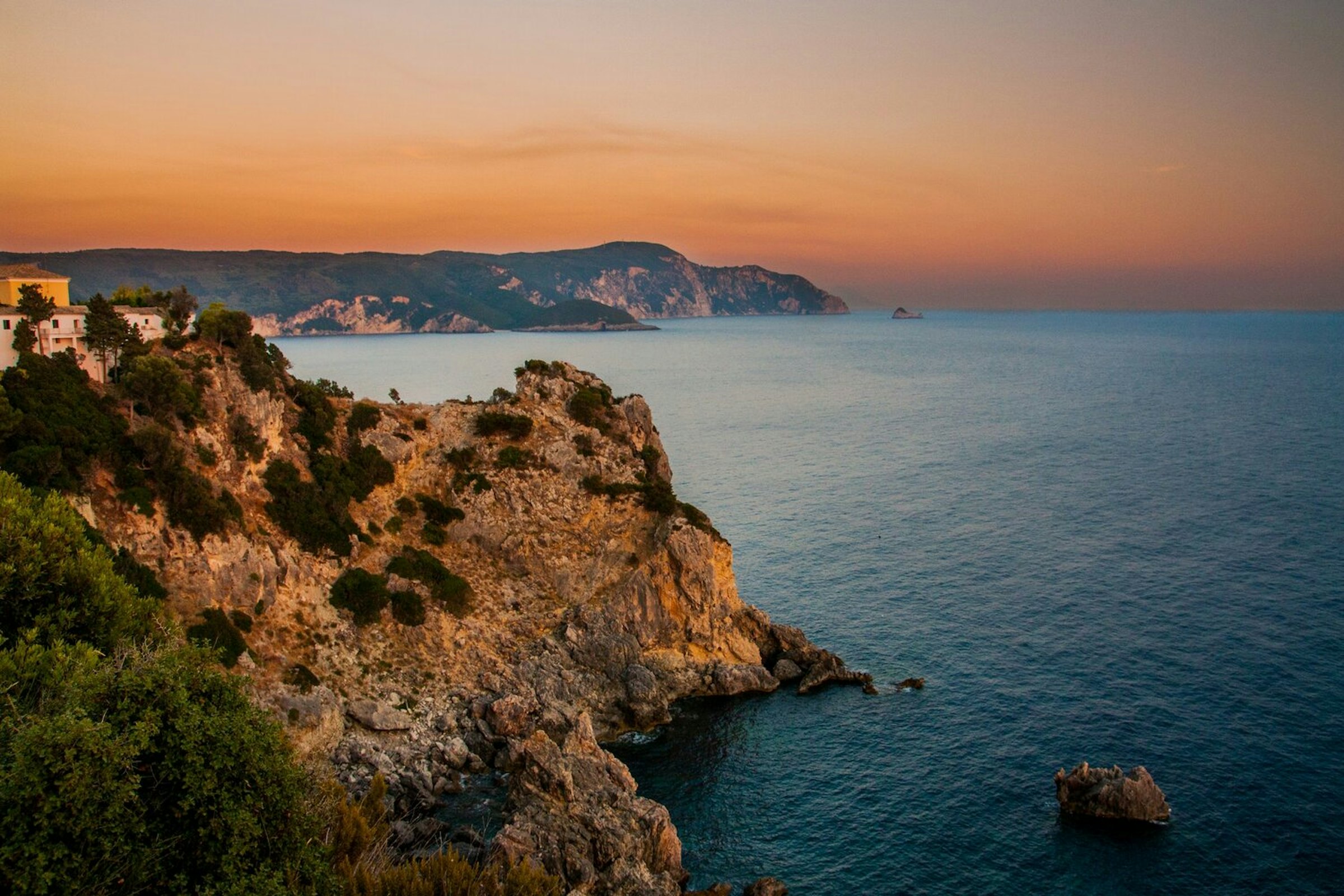

Eastern Italy to Corfu
During the summer, reach UNESCO-listed Corfu via Switzerland and Italy for Ionian greenery, old streets, and a slower island pace.
Journal
Powered by two million miles of expertise
Our price includes all transport, accommodation and a personalized itinerary for your trip. Byway's travel experts are also available on WhatsApp throughout for disruption support and travel tips.
No, flights to Europe aren't included, but all transport and accommodation once you're here is. Short-haul flights are highly carbon-intensive, and traveling around Europe by train, ferry or bus is an easy, enjoyable alternative.
Yes. Different hotel options are available to choose from on the trip page, and any room upgrade requests can be added in the booking form. Our team will then find upgrade options and discuss them with you.
No. If you'd like to leave Europe from a different city, our concierge team can build you a custom one-way trip.
Yes. Prices on our trip pages are shown in your local currency by default, or you can select your preferred currency, including USD, CAD, EUR or CHF, from the dropdown in the top right corner of the trip page. The payment page will always show the price in your chosen currency.
You can generally bring as much luggage as you can carry, as long as it fits in the luggage racks or overhead space. On Eurostar, UK and most European trains, the standard allowance is two large bags and one smaller item, provided you can manage them yourself; let us know in advance if you're planning to bring anything oversized. Since you may need to change stations or walk to hotels, packing light makes the journey more comfortable.
Most European train tickets are digital and sent to you by email. A few, including tickets for Spain, Portugal and some EuroCity trains, require paper tickets, which can be mailed to a hotel on your itinerary.
No, Byway trips are self-guided, not part of a group tour. You'll have on-demand personalized support by WhatsApp, text or phone throughout, so all the planning and booking is done for you, and any disruptions are handled without you having to worry about them.
May to June or September to October is the best time to visit Greece, with warm, dry weather and fewer crowds than peak summer. July and August bring the hottest weather and the busiest islands, particularly Santorini and Mykonos. Winters are quiet, with some island resorts and businesses closed, though Athens remains a good year-round city break. There are highlights year-round: Orthodox Easter fills villages and islands with candlelit processions and feasting every spring, panigyria (village festivals honouring local patron saints) bring music and dancing to communities across the islands all summer, and olive and grape harvests take over the countryside every autumn.
The best things to do in Greece include exploring Athens's Acropolis and old town, relaxing on Corfu's beaches, and island-hopping around the Ionian and Aegean islands.
Exploring the Acropolis and the Plaka district in Athens
Relaxing on Corfu's beaches and wandering its Venetian old town, a UNESCO World Heritage Site
Island-hopping around the Ionian Islands, including Kefalonia and Zakynthos
Wandering the whitewashed streets of the Cyclades, including Santorini and Mykonos
Visiting ancient sites like Delphi and Olympia
Hiking in the mountains of the Peloponnese
Joining a village panigyri, an overnight feast of music and dancing held for a local patron saint's feast day
Sailing to Delos, the sacred, uninhabited island near Mykonos said to be the birthplace of Apollo
Greece is reachable overland by train through Europe, connecting to Italy, followed by an overnight sleeper ferry across the Adriatic. Ferries to Greece run from Bari, Ancona and Brindisi to ports including Patras, Corfu and Igoumenitsa, with crossings taking anywhere from around 8 hours to over a day depending on the route. From these mainland ports, further ferries connect onward to the Greek islands.
Learn how to book and enjoy an overland trip yourself in 10 clear steps (or book with us, and we’ll handle the lot).


